Self Defense and Situational Awareness for Home, Travel and Family
Spot trouble early and stay calm when it counts: the 2-second habit from the video, plus the full system behind it.
Watch the full video walkthroughThe parking lot is half empty and the light over your car is out. Keys in one hand, bags in the other, phone lighting your face. Somewhere between the cart corral and the driver’s door, a person is standing still with nowhere to be. Self defense and situational awareness for home, travel and family starts in that two-second pause: exits, people, anything out of place, then a calm walk to the car with your head up.
Patriot’s Self Defense is the system that teaches that pause, and what comes after it. The guide says it is built for ordinary households: threat recognition before a situation turns physical, simple responses you can remember under stress, and plans you can share at the kitchen table. You get a written manual, a video library, and the maps and bonuses that sit beside them. The habits start tonight. The guide puts them in order.
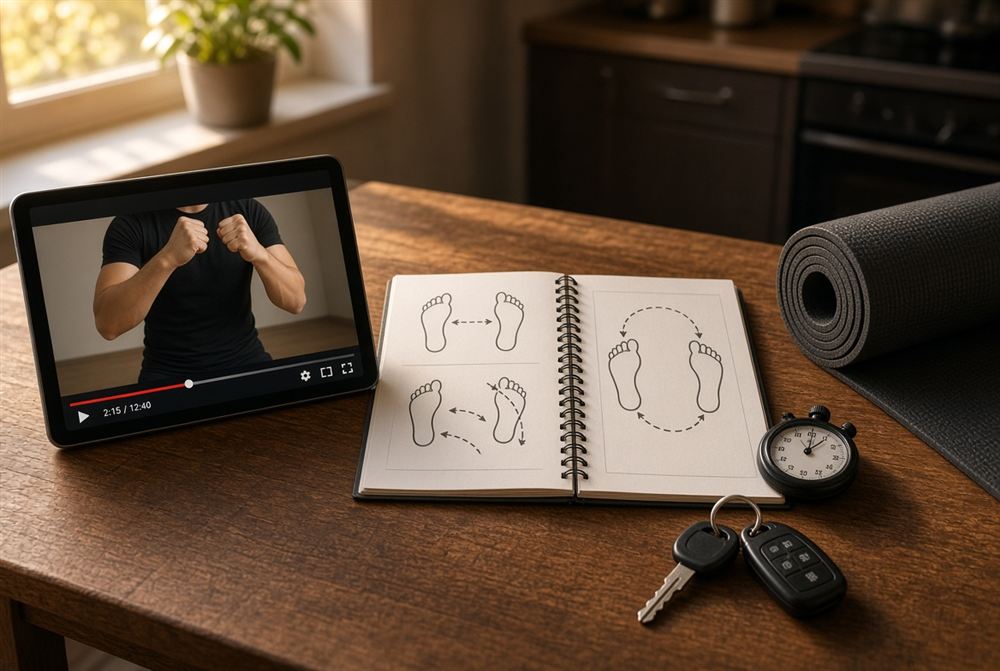
The walk back to the car. Tap to watch the video walkthrough.
See the room before it sees you
Most trouble starts while everyone is still being polite. A person standing too close in the aisle. A car that takes your turn, then the next one. A door you meant to lock. The guide says pre-attack awareness is a trainable skill: reading the space and the signals, then buying yourself distance while the moment is still small.
The check is short. Pause at the threshold. Look left, right, and once behind you. Notice who is standing still. Find the door you would use if you left early. Then settle and shop, or settle and walk. The guide says the manual walks that recognition in plain language, so the scan becomes an easy daily habit. Head up. Hands free. Keys ready before you reach the car.
Make the front door a decision, not a surprise
Home is the knock you were not expecting. A light near the entrance, a question through the door, a lock that already clicked when you came in from the store. The guide says the home sections cover invasion scenarios and the mental prep that keeps the household on one plan: who checks the last lock, where the flashlight lives, who gets called, where people gather.
Hardware helps. A camera, an alarm, a sensor on the back door. The first layer is still the habit. Visitors are expected. An unexpected knock gets a voice through the door before the latch moves. Family already knows the boring version, because boring plans get remembered at 11 p.m. The guide says you can hand that plan to the people in the house and practice it once, on a normal evening, so the knock is a script you already ran.
Carry the same calm into the car and the hotel hallway
Travel changes the room and keeps the skill. Before you sit down, you look at the seats and the floor. The doors lock as they shut, then the belt goes on. At night you park under a light, nose out, so leaving is one move. In a hotel you find the stairs on the way to the room, while the hallway is still ordinary. On a train you sit where you can see the car and reach a door, bag against your body.
If the walk feels wrong, you stay in light and people. A staffed desk, a bright store, a lobby with a clerk. The guide says the same recognition you used in the parking lot travels with you: the still figure, the extra turn, the corridor with the light out. Distance and a different route are the win. The videos show the responses for the moment leaving has already closed, taught as a small set you can recall when your hands are cold.
Stay steady when the lights go out
A power cut is the house gone loud and the phones gone quiet. The same scan applies, with the stakes up. You already know where the flashlight is, because your hand found it last Tuesday in the dark. You stay inside unless the plan says someone moves. Family first, then the street. A charged power bank sits by the bed, ready for the calls that matter.
Think back to that parking lot. The light over the car was out, and you still had the pause, the keys, the exit. The guide says the mental-readiness work is what keeps that pause available when the room is darker and the voices are louder. Voice low. Space wide. Leaving first. Physical skill sits behind that, for the rare minute the exit is gone, built on simple gross-motor moves that, the guide says, work under stress whatever the other person’s size.
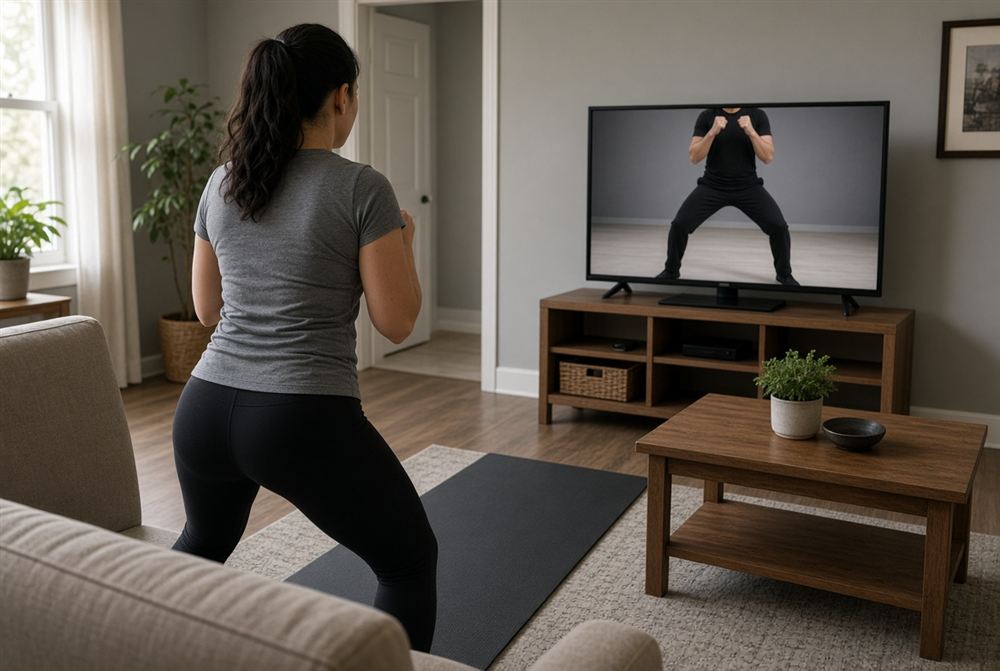
The plan at home. Tap to watch the video walkthrough.
What you get
Patriot’s Self Defense is the full system for that readiness. The guide says the package includes the “How to Defeat Extreme Violence” manual, a written reference of more than 250 pages on threat recognition, pre-attack awareness, home scenarios, and mental preparation. Beside it sit more than 40 live video demonstrations, about an hour and a half, taught by Perry, focused on a small set of responses rather than a long list of forms. You also get the Fighting System Manual, the Strike Zone Map, and four bonus guides.
Three months from now the parking lot scan is automatic, and the household already knows the knock script. Today, on the walk to your car, pause once and find the exit before you unlock the door.
The next late lot feels different when the pause is already yours. Head up, keys ready, family plan in place.
See the Patriot’s Self Defense video walkthrough
FAQ
What is self defense and situational awareness in this guide?
The guide says it is threat recognition and pre-attack awareness for home, travel, and family, plus simple responses you can remember under stress, taught in a manual and a short video library.
What does the home plan cover?
The manual covers home scenarios and mental preparation: the lock check, the question through the door, and a family plan everyone can remember.
What do you receive?
You receive the long-form manual, more than 40 video demonstrations, the Fighting System Manual, the Strike Zone Map, and four bonus guides.